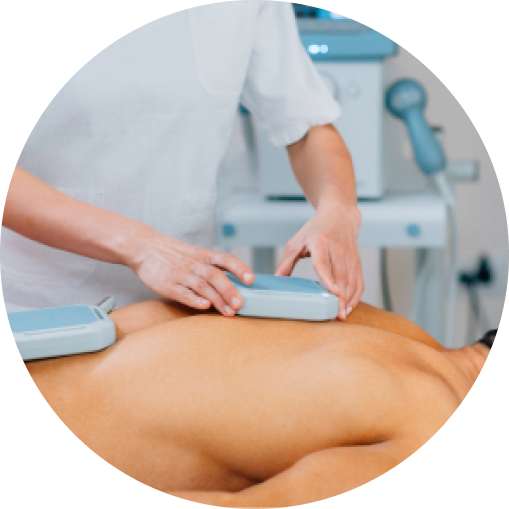
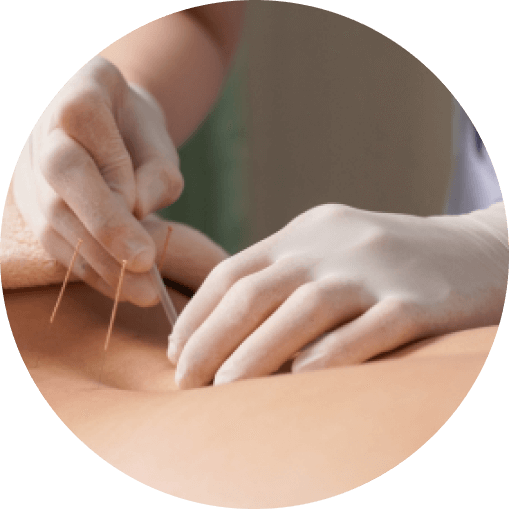
Naturopathic services typically include a range of holistic treatments and therapies aimed at promoting overall health and well-being. Some common services offered by naturopathic practitioners may include:
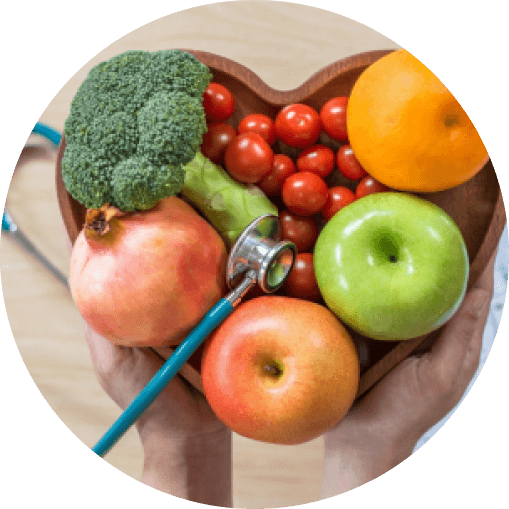
Nutritional Counseling: Providing guidance on healthy eating habits, dietary supplements, and personalized nutrition plans.
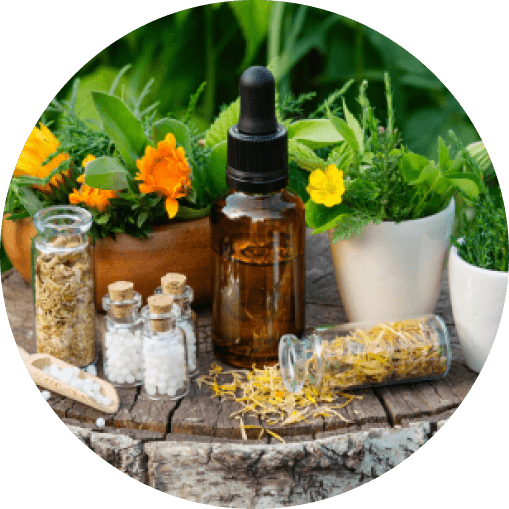
Herbal medicine: Prescribing natural remedies derived from plants to address various health concerns.
Lifestyle counseling: Offering advice on stress management, exercise, sleep hygiene, and other lifestyle factors that impact health.
Hydrotherapy: Using water-based treatments such as hydrotherapy baths, wraps, and compresses to promote detoxification and healing.
Physical medicine: Incorporating techniques like massage, manipulation, and therapeutic exercise to address musculoskeletal issues.
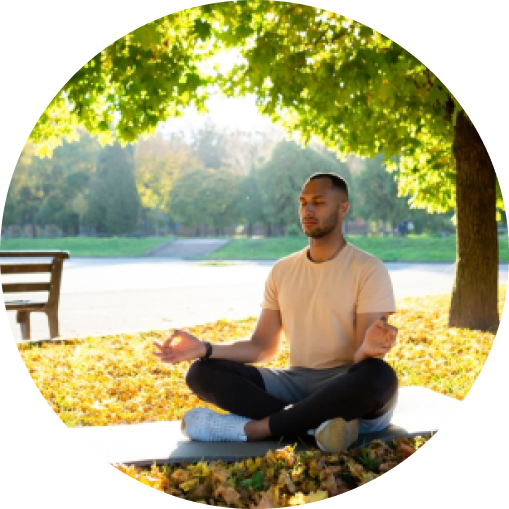
Mind-body therapies: Implementing techniques such as meditation, yoga, and biofeedback to promote mental and emotional well-being.
Detoxification programs: Designing protocols to support the body's natural detoxification processes and eliminate toxins.
These services may vary depending on the individual practitioner's training, expertise, and areas of specialization. It's essential to consult with a licensed naturopathic doctor to discuss your specific health needs and goals.
Hydrotherapy is a therapeutic approach that utilizes water for treating various health conditions and promoting overall well-being. It encompasses a wide range of techniques and treatments, including:
Hot and Cold Therapy: Alternating between hot and cold water applications, such as hot baths followed by cold showers, to stimulate circulation, reduce inflammation, and relieve muscle tension.
Hydro-massage: Using water jets or whirlpool baths to massage the body, which can help relax muscles, improve circulation, and alleviate soreness.
Contrast Hydrotherapy: Similar to hot and cold therapy, but involves alternating between immersion in hot and cold water baths to promote circulation, reduce swelling, and enhance recovery from injuries.
Steam Baths and Saunas: These heat-based treatments involve exposing the body to high temperatures in a controlled environment, which can induce sweating, detoxification, relaxation, and stress relief.
Aquatic Exercise: Performing exercises or movements in water, such as swimming, water aerobics, or water walking, which can provide low-impact cardiovascular conditioning, strength training, and rehabilitation benefits.
Hydrotherapy Showers: Showers equipped with multiple showerheads that provide various water pressures and temperatures, offering massage-like effects and promoting relaxation.
Hydrotherapy can be beneficial for a wide range of conditions, including arthritis, muscle and joint pain, stress, insomnia, circulation problems, and sports injuries. However, it's essential to consult with a healthcare professional before starting any hydrotherapy regimen, especially if you have underlying health issues or concerns. Additionally, it's crucial to ensure that hydrotherapy treatments are administered safely and hygienically to prevent the risk of infection or injury.
Mud Therapy
Mud therapy, also known as clay therapy or mud baths, is a form of natural therapy that involves the external application of mud or clay to the body for therapeutic purposes. The practice has been used for centuries in various cultures around the world.
During a mud therapy session, the body is typically coated or immersed in a layer of natural mud or clay, which may be mixed with water or other substances like herbs or essential oils. The mud is then left on the skin for a certain period, allowing its therapeutic properties to be absorbed.
Advocates of mud therapy claim that it can provide numerous health benefits, including:
Detoxification: Mud therapy is believed to help draw out toxins and impurities from the body through the skin, promoting detoxification.
Pain relief: The application of mud may help alleviate muscle and joint pain, inflammation, and stiffness, providing relief from conditions like arthritis and rheumatism.
Skin health: Mud therapy is thought to improve skin tone, texture, and complexion by exfoliating dead skin cells, unclogging pores, and promoting circulation.
Relaxation and stress relief: The soothing sensation of mud therapy, combined with its potential to promote relaxation and reduce stress, can contribute to overall well-being.
Improved circulation: Mud therapy may enhance blood circulation to the skin and underlying tissues, which can support healing and nourishment.
It's important to note that while mud therapy is generally considered safe, it may not be suitable for everyone. Individuals with certain skin conditions, open wounds, or sensitivities to mud or clay should consult with a healthcare professional before undergoing mud therapy. Additionally, it's essential to ensure that the mud used is free from contaminants and properly sanitized to prevent infections.
Swedish Massage
Swedish massage is one of the most common types of massage therapy, characterized by long, flowing strokes, kneading, and gentle rhythmic tapping. Developed in the 19th century by a Swedish physiologist named Per Henrik Ling, Swedish massage aims to promote relaxation, improve circulation, and relieve muscle tension.
During a Swedish massage session, the massage therapist typically applies massage oil or lotion to the skin and uses a combination of techniques, including:
Effleurage: Long, gliding strokes that follow the direction of the blood flow toward the heart, which helps to relax the muscles and improve circulation.
Petrissage: Kneading and squeezing motions that target deeper layers of muscle tissue, helping to release tension and improve flexibility.
Friction: Firm, circular movements applied with the fingertips or palms to create heat and break up knots or adhesions in the muscles.
Tapotement: Rhythmic tapping, pounding, or chopping motions that stimulate the muscles and invigorate the body.
Vibration: Rapid shaking or rocking movements that promote relaxation and help to release tension in specific muscle groups.
Swedish massage is known for its gentle and soothing nature, making it suitable for individuals seeking relaxation and stress relief. It can also be beneficial for improving range of motion, reducing pain, and enhancing overall well-being.
It's essential to communicate with your massage therapist about any specific areas of tension or discomfort you may have, as well as any health conditions or concerns you want to address during the session. This will help ensure that the massage is tailored to your individual needs and preferences.
Steam Bath/ Local Steam Therapy/ Facial Steam
Hydrotherapy is a therapeutic approach that utilizes water for treating various health conditions and promoting overall well-being. It encompasses a wide range of techniques and treatments, including:
Hot and Cold Therapy: Alternating between hot and cold water applications, such as hot baths followed by cold showers, to stimulate circulation, reduce inflammation, and relieve muscle tension.
Hydro-massage: Using water jets or whirlpool baths to massage the body, which can help relax muscles, improve circulation, and alleviate soreness.
Contrast Hydrotherapy: 3. Similar to hot and cold therapy, but involves alternating between immersion in hot and cold water baths to promote circulation, reduce swelling, and enhance recovery from injuries.
Steam Baths and Saunas: These heat-based treatments involve exposing the body to high temperatures in a controlled environment, which can induce sweating, detoxification, relaxation, and stress relief.
Aquatic Exercise: Performing exercises or movements in water, such as swimming, water aerobics, or water walking, which can provide low-impact cardiovascular conditioning, strength training, and rehabilitation benefits.
Hydrotherapy Showers: Showers equipped with multiple showerheads that provide various water pressures and temperatures, offering massage-like effects and promoting relaxation.
Watsu: 7. A form of aquatic bodywork that combines elements of massage, stretching, and dance in warm water, aiming to promote relaxation, release tension, and enhance emotional well-being.
Hydrotherapy can be beneficial for a wide range of conditions, including arthritis, muscle and joint pain, stress, insomnia, circulation problems, and sports injuries. However, it's essential to consult with a healthcare professional before starting any hydrotherapy regimen, especially if you have underlying health issues or concerns. Additionally, it's crucial to ensure that hydrotherapy treatments are administered safely and hygienically to prevent the risk of infection or injury.
Hip Bath
A hip bath, also known as a sitz bath, is a shallow basin designed to allow someone to sit in warm water to soak their hips and buttocks. It's often used for therapeutic purposes, such as relieving pain, itching, or inflammation in the pelvic area.
Foot & Arm Immersion Baths
Foot and arm immersion baths are therapeutic treatments involving soaking either the feet or the arms in warm water. These baths can help improve circulation, relax muscles, and provide relief from pain or discomfort in the specific area being treated. They are commonly used for relaxation and as part of physical therapy routines.
Spinal Bath
A spinal bath is a therapeutic treatment involving immersion in a tub of water with the spine submerged. The water temperature is typically adjusted to be slightly warmer or cooler than body temperature. This treatment is believed to stimulate circulation, relax muscles, and provide relief from spinal discomfort or tension. It's often used in naturopathic or alternative medicine practices as a way to promote overall well-being and alleviate certain spinal conditions.
Sponge Bath
A sponge bath is a method of bathing where a person is cleaned using a damp sponge or washcloth instead of immersing in a tub of water. It's typically done in situations where a full bath or shower isn't possible, such as when someone is bedridden or unable to use a regular bathing facility. Sponge baths can help keep the body clean and refreshed by wiping down the skin with soap and water. They're commonly used in healthcare settings and for personal hygiene in various situations.
Kidney Pack
A kidney pack is a therapeutic application involving the use of a cloth soaked in warm castor oil and applied to the lower back, typically over the kidneys. It's often used in naturopathic or alternative medicine practices to promote kidney health, alleviate discomfort, and improve circulation in the kidney area. The pack is usually left on for a specified period of time to allow the warmth and properties of the castor oil to penetrate the skin and underlying tissues.
Sun Therapy
A sunbath is the practice of exposing one's body to sunlight for the purpose of soaking up its warmth and light. It's typically done outdoors, either lying down or sitting in a sunny spot. Sunbathing can have several benefits, including boosting vitamin D levels, improving mood, and promoting relaxation. However, it's important to practice sun safety by wearing sunscreen, avoiding excessive exposure during peak sunlight hours, and staying hydrated. Overexposure to the sun can lead to sunburn, premature aging of the skin, and an increased risk of skin cancer.
Abdominal Trunk Pack
An abdominal trunk pack is a therapeutic application involving the use of a cloth soaked in cold or warm water and wrapped around the abdomen. It's typically used in naturopathic or alternative medicine practices to promote circulation, alleviate abdominal discomfort, and support detoxification. The pack is usually left on for a specified period of time to allow the temperature and moisture to penetrate the skin and underlying tissues. Abdominal trunk packs are often used as part of holistic approaches to health and wellness.
Infrared Therapy
Infrared therapy involves the use of infrared light to deliver heat deep into the body's tissues. This therapy is believed to have several potential benefits, including pain relief, improved circulation, reduced inflammation, and relaxation of muscles. It's commonly used in various settings, including spas, wellness centers, and physical therapy clinics. Infrared therapy can be administered through devices such as infrared lamps, saunas, heating pads, or specialized wraps. While research on the effectiveness of infrared therapy is ongoing, many people report positive results from incorporating it into their wellness routines.
Neti
Neti, also known as nasal irrigation or nasal cleansing, is a practice in which a saline solution is used to rinse the nasal passages. It's typically done using a specially designed neti pot, which resembles a small teapot. The saline solution is poured into one nostril and allowed to flow through the nasal passages, then exits through the other nostril, flushing out mucus, allergens, and debris. Neti is commonly used to alleviate nasal congestion, sinusitis, allergies, and to promote overall nasal health. It's important to use sterile water and follow proper technique to avoid infection.
Vaman Dhauti
Vaman Dhauti is a yogic cleansing technique, also known as Kunjal Kriya or Vamanam, that involves inducing controlled vomiting to cleanse the stomach and upper digestive tract. It's considered one of the Shatkarma practices (six cleansing techniques) in Hatha Yoga. Vaman Dhauti is believed to purify the digestive system, remove excess mucus, and alleviate digestive issues. However, it should only be practiced under the guidance of an experienced yoga instructor or healthcare professional, as improper execution can lead to complications.
Diet Course
Diet counseling in naturopathy involves providing guidance on nutrition and dietary habits to support overall health and wellness. Naturopathic practitioners often emphasize the importance of whole foods, nutrient-dense diets, and individualized meal plans tailored to each person's specific needs and health goals. Diet counseling in naturopathy may include recommendations for incorporating more fruits and vegetables, reducing processed foods and sugars, balancing macronutrients, addressing food sensitivities or allergies, and promoting hydration. Additionally, naturopathic practitioners may use dietary interventions to support the treatment of various health conditions, such as digestive disorders, hormonal imbalances, autoimmune conditions, and metabolic disorders. The goal of diet counseling in naturopathy is to empower individuals to make healthier food choices and optimize their nutritional status to promote overall well-being and prevent illness.
Yoga
Yoga therapy is a holistic approach to healing that utilizes the practice of yoga to address physical, mental, and emotional health issues. It involves the application of various yoga techniques, including postures (asanas), breathing exercises (pranayama), meditation, and mindfulness practices, to promote overall well-being and alleviate specific health concerns.
In yoga therapy, each individual's unique needs and health goals are taken into account, and personalized treatment plans are developed to address their specific challenges. Yoga therapy sessions are typically conducted one-on-one or in small groups under the guidance of a trained yoga therapist or instructor who has expertise in anatomy, physiology, and the therapeutic applications of yoga.
Yoga therapy has been shown to be effective in managing a wide range of conditions, including chronic pain, stress-related disorders, anxiety, depression, insomnia, hypertension, and musculoskeletal injuries, among others. It emphasizes a holistic approach to health, focusing not only on the physical symptoms but also on the underlying mental and emotional factors that may contribute to illness.
By integrating the principles of yoga with modern healthcare practices, yoga therapy offers a gentle yet powerful means of promoting self-healing and empowering individuals to take an active role in their own health and well-being. It is increasingly recognized as a valuable complementary therapy in integrative healthcare settings and is becoming more widely available to individuals seeking natural and holistic approaches to health.
Magneto Therapy
Magneto therapy, also known as magnet therapy or magnetic therapy, is an alternative medical practice that involves using static magnetic fields to treat various health conditions. Supporters of magneto therapy believe that exposure to these magnetic fields can stimulate circulation, reduce pain, and promote healing in the body. Magnets may be applied directly to the skin as jewelry, patches, or wraps, or used in devices such as magnetic mattress pads or bracelets. While some people report benefits from magneto therapy, scientific evidence supporting its effectiveness is limited, and more research is needed to fully understand its mechanisms and potential benefits.
Acupuncture
Acupuncture is a traditional Chinese medicine practice that uses thin needles to promote health and well-being. It is based on the concept of Qi, which flows through meridians. Acupuncture is used to restore balance and promote healing by inserting sterile needles into specific points on the body. It is commonly used to treat various health conditions, including pain management, stress reduction, anxiety, depression, insomnia, digestive disorders, allergies, and women's health issues. Research shows that acupuncture can regulate the nervous system, reduce inflammation, increase blood circulation, and stimulate the release of endorphins.